On this page
When a promoter, label, playlist curator or journalist wants to take you seriously, they look for one thing: your electronic press kit. A strong EPK answers "who is this artist and why should I care?" in under a minute. A weak or missing one ends the conversation before it starts. For independent artists, the EPK is the difference between "send me your info" turning into a booking — or silence.
This guide covers what an EPK is, exactly what to include, how to structure it, and the mistakes that get press kits ignored. It pairs naturally with Artist Branding for Musicians — your EPK is where your brand gets put to work.
What is an EPK?
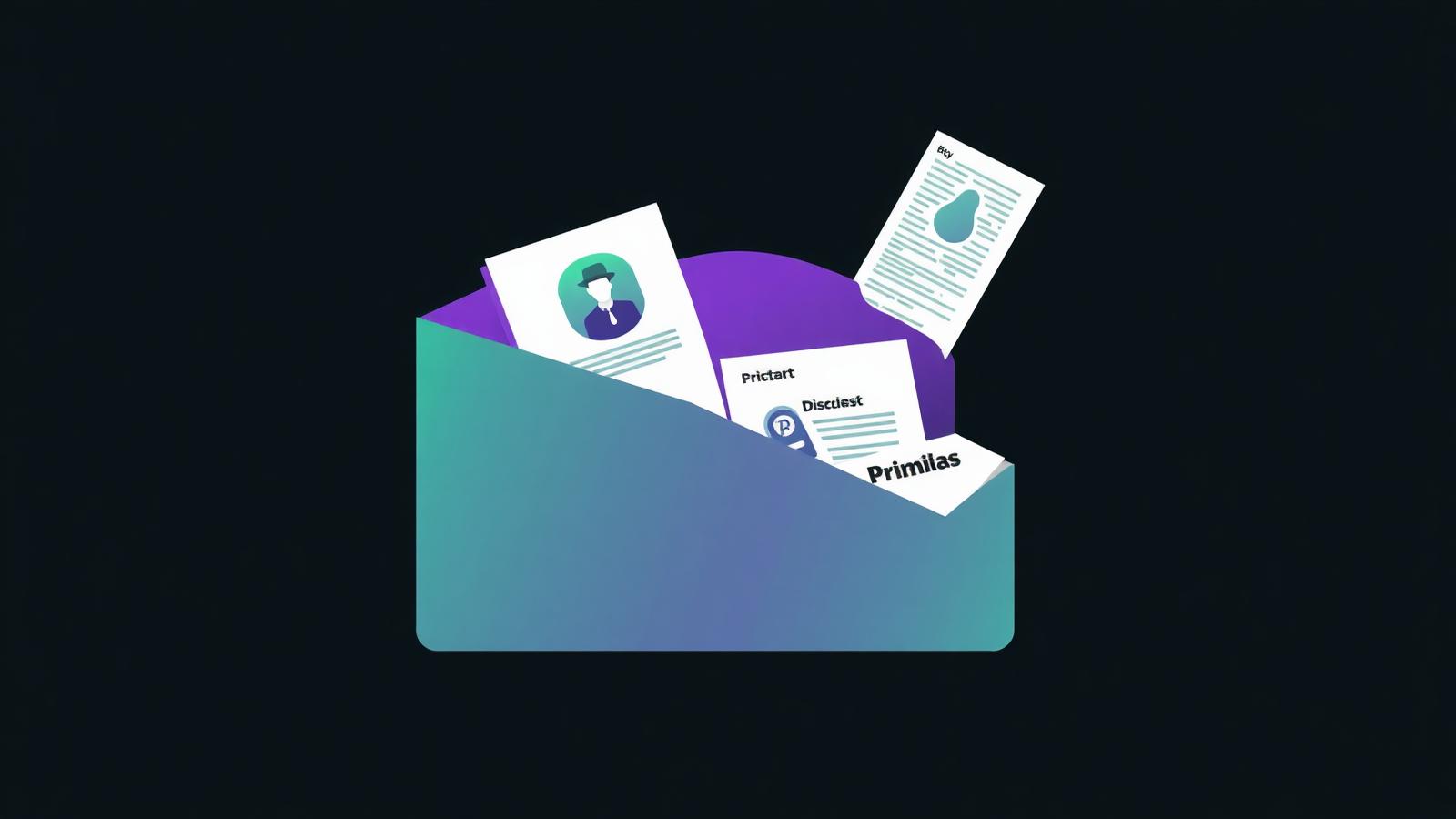
An electronic press kit (EPK) is a single, shareable page or document that packages everything a professional needs to evaluate and promote you: your music, your story, your visuals, your achievements and your contact details. Think of it as your press-ready résumé — the link you send when someone asks "tell me about yourself."
The key word is shareable. A promoter should be able to forward your EPK to a talent buyer, or a journalist to an editor, without you in the loop. Everything they'd need is right there.
Why every independent artist needs one
- It signals professionalism. A clean EPK says "this artist is serious," which changes how people treat you.
- It saves everyone time. Instead of scattered links and back-and-forth, one URL has it all.
- It works without you. It can be forwarded, bookmarked and revisited long after your pitch.
- It supports every kind of outreach — bookings, playlists, press, radio, sync, collaborations.
If you're pitching DJs, curators or radio (see the DJ and radio guides), a great EPK link makes your email instantly more credible.
What to include in your EPK
An effective EPK is complete but not bloated. Here's every essential element.
1. A short, sharp bio
Two versions:
- A one-paragraph "short bio" (about 100 words) for quick reads and copy-paste into features.
- A longer bio (200–300 words) for those who want depth.
Write in the third person, lead with what makes you distinctive, and include real, concrete details — not vague hype. "Berlin-based melodic techno producer whose last EP hit [playlist] and earned support from [DJ]" beats "an artist on a mission to change music forever."
2. Your best music
- Embedded, streamable players for two or three of your strongest tracks — not your entire catalogue.
- Private download links for your best material, so a curator or DJ can grab it easily.
- Lead with your single strongest track. First impressions decide whether they keep reading.
3. High-quality photos
- At least one striking press photo (high resolution, downloadable).
- A mix of orientations if possible (some outlets need landscape, some portrait).
- Consistent with your visual brand — same aesthetic they'll see everywhere else.
4. Notable achievements ("press highlights")
Social proof does the convincing for you:
- Playlist placements, notable streams or milestones.
- Press features, blog coverage, radio support.
- Notable shows, festivals or DJ support.
- Any awards, sync placements or collaborations.
If you're early and light on these, that's fine — include what's genuine and let your music and clarity carry it. Never invent credentials; it's easy to check.
5. Video (if you have it)
A live clip, a music video, or a short performance video adds enormous credibility and lets people feel your artistry, not just read about it.
6. Social and streaming links
Make it effortless to find you: Spotify, your main socials, your website. Ideally with follower context if the numbers help you.
7. Clear contact details
- The right contact for the right purpose (bookings, press, management).
- A professional email address.
- Make this impossible to miss — a press kit with no clear next step wastes every other element.
How to structure your EPK
Order matters. Lead with impact, then support it. A reliable structure:
| Order | Section | Purpose |
|---|---|---|
| 1 | Name + one-line descriptor + hero image | Instant identity |
| 2 | Best track (embedded) | Prove the music fast |
| 3 | Short bio | Who you are, why you matter |
| 4 | Press highlights | Social proof |
| 5 | More music + video | Depth for the interested |
| 6 | Photos (downloadable) | Assets for coverage |
| 7 | Links + contact | Clear next step |
Keep it skimmable. The person reading is busy and deciding in seconds whether to go deeper.
EPK format: page or PDF?
- A web page (link) is best for most purposes — always current, easy to share, works on mobile, and lets you embed players and video. This should be your default.
- A PDF is useful as a backup or for contexts that want an attachment, but it can't stream music and goes stale.
Whichever you choose, the golden rule is one link, mobile-friendly, everything in place.
EPK mistakes that get you ignored
| Mistake | Why it hurts |
|---|---|
| No clear contact | The reader has no next step |
| Dumping your entire catalogue | Overwhelms; bury your best track |
| Low-resolution or off-brand photos | Signals amateur, unusable for press |
| Walls of hype, no substance | Reads as noise; give concrete facts |
| Broken or expiring links | Instant credibility killer |
| Outdated info | Old stats and old photos undermine trust |
| Not mobile-friendly | Most people open it on a phone |
Keep your EPK current
An EPK isn't a one-time task. Update it whenever something meaningful happens — a new release, a notable placement, fresh press, a better photo. A living EPK that reflects your latest wins always outperforms a stale one. Set a reminder to review it before every campaign.
How your EPK fits your promotion
Your EPK is the credibility layer under everything else. When you pitch a DJ, a curator, a radio host or a promoter, linking a polished EPK turns a cold message into a professional introduction. Combine it with a tight, personalised pitch — see How to Write a Music Promo Email That Gets Opened, and generate a strong starting draft with the free DJ Promo Email Generator — and you look like an artist worth backing.
Managing outreach, contacts and campaigns in one place makes this repeatable. The Musical Road helps you pitch the right people and track who's engaging; see the pricing for details, and explore more guides on the blog to sharpen every part of your promotion.
EPK examples: what a strong one looks like
It helps to picture the finished product. A strong independent-artist EPK, read top to bottom, flows like this:
- Header: artist name, a one-line descriptor ("London-based melodic house producer"), and a striking hero image.
- Lead track: an embedded player with your single best song, playing before the reader has to scroll or click.
- Short bio: 100 focused words — who you are, what you sound like, why you matter, with one or two concrete achievements.
- Press highlights: a tidy list — "Added to [playlist]", "Supported by [DJ]", "Featured on [blog]".
- More music + a video: depth for the interested, without burying the lead.
- Downloadable press photos: high-res, on-brand, one landscape and one portrait.
- Links + contact: streaming and socials, plus an unmissable booking/press email.
The difference between an EPK that gets you booked and one that gets ignored is rarely the design — it's clarity, a strong lead track, real social proof and an obvious next step.
Tailoring your EPK to the recipient
One EPK can serve most purposes, but small adjustments make it land harder:
| Recipient | Emphasise |
|---|---|
| Promoter / booker | Live video, past shows, draw and reliability |
| Playlist curator | Best track, streaming momentum, genre fit |
| Journalist / blog | Story, angle, high-res photos, press quotes |
| Radio | Clean edit, ISRC, airplay-friendly length |
| Sync / licensing | Instrumental availability, mood, ownership |
You don't need five separate kits — but leading your message with the section that matters most to this recipient makes your EPK feel bespoke rather than blasted.
Common EPK questions from independent artists
Do I need an EPK if I'm just starting out? Yes. Even with modest credentials, a clean EPK signals professionalism and makes every pitch stronger. Include what's genuine and let your best track and clear positioning carry it.
How long should my EPK be? Long enough to answer the key questions, short enough to read in a minute or two. If a section doesn't help someone decide to work with you, cut it.
How often should I update it? Whenever something meaningful happens — a new release, a notable placement, fresh press or a better photo. A stale EPK undermines the professionalism it's meant to convey, so review it before every campaign.
Where your EPK sits in the bigger picture
Your EPK is the credibility layer beneath all your outreach. A great pitch links to a great EPK, which links to great music — each reinforcing the next. Combined with a strong artist brand, a targeted list and a tight pitch, it turns cold outreach into professional introductions. Build it once, keep it current, and it works for you on every booking, playlist and press opportunity you chase.
The takeaway
Your EPK is your professional first impression, working for you around the clock. Make it clean, current, mobile-friendly and led by your strongest music. Include a sharp bio, great photos, real social proof and an unmissable contact. Get it right and "send me your info" starts turning into yeses. Next, make sure the brand behind it is just as strong with Artist Branding for Musicians, then start free on The Musical Road to put your EPK to work.
Frequently asked questions
What is an electronic press kit (EPK)?
An EPK is a single, shareable page or document that packages everything a professional needs to evaluate and promote you: your best music, a sharp bio, high-quality photos, press highlights, links and clear contact details. Think of it as your press-ready résumé.
What should an EPK include?
A short and long bio, two or three of your strongest streamable tracks, high-resolution downloadable press photos, notable achievements and press highlights, video if you have it, social and streaming links, and unmissable contact details for bookings and press.
Should my EPK be a web page or a PDF?
A web page (link) is best for most purposes — always current, mobile-friendly, and able to embed players and video. Keep a PDF as a backup for contexts that want an attachment, but a live link should be your default.
What are the most common EPK mistakes?
No clear contact, dumping your entire catalogue instead of leading with your best track, low-resolution or off-brand photos, walls of hype with no substance, broken or expiring links, outdated info, and not being mobile-friendly. Keep it clean, current and skimmable.
Founder of The Musical Road
Kamil Bobin is the founder of The Musical Road, a platform helping independent artists promote their music professionally to DJs, radio stations, curators and industry professionals. He writes about music promotion, email marketing, release strategies and practical growth tactics for independent musicians.