Turn Your Music Into a Sync-Ready Asset
Landing placements in film, TV, and ads requires more than just great music—it requires a professional distribution and metadata strategy.
Why it matters
Metadata Integrity
Keep your ISRC, composer, and publisher data locked to your files so you always get paid.
Trackable Outreach
Know exactly when a supervisor opens your email or downloads your instrumental.
Professional Delivery
Send branded, high-speed links instead of clunky attachments or expiring transfer links.
The Reality of Modern Sync Distribution
Sync licensing is no longer just about who you know; it is about how easily a music supervisor can find, verify, and clear your tracks. Independent musicians often fail to land placements because their metadata is messy or their outreach is untrackable. To succeed, you need a centralized system that treats every release as a professional asset.
Organize high-quality WAVs and instrumentals in one place.
Ensure metadata includes ISRC codes and clear ownership info.
Track every pitch to see who is actually listening to your tracks.
## Data-Driven Follow-Ups: Converting Interest into Placements
A professional sync licensing distribution strategy does not end at the initial pitch; it begins when the first music supervisor interacts with your link. In the fast-paced environment of film and TV post-production, supervisors often 'test' tracks against a scene without immediate notification to the artist. This is where per-recipient analytics become your most valuable asset.
Turning Listen Data into Action
Instead of guessing which tracks are resonating, use Campaign Analytics to identify high-intent signals. If a supervisor in a specific territory opens your email three times and downloads the instrumental version, they are likely 'temping' your music into a project.
Strategic Follow-Up Tactics:
- The Geospatial Advantage: Use Audience Insights to see if your listens are coming from production hubs like Los Angeles, London, or Atlanta. Tailor your follow-up to acknowledge their local time zone and production cycles.
- The 'One-Stop' Confirmation: If you see multiple downloads, send a brief, non-intrusive follow-up confirming that you are the 100% 'one-stop' rights holder (meaning you control both the master and publishing). This removes the final friction point for a supervisor under a deadline.
- Asset Readiness: If analytics show a supervisor listened to a vocal track but didn't download, proactively offer the stems or a 'no-lead-vocal' mix.
By monitoring these granular engagement metrics, you transition from a cold-pitcher to a responsive partner, providing the exact assets a production team needs at the moment they need them most.
Key features
Release Management
Store your masters, stems, and metadata in a single command center for instant retrieval.
Audience Insights
See the geographic and device data behind every listen to understand your global reach.
AI Campaign Generator
Draft professional, on-brand outreach emails for music supervisors in seconds.
Understanding Sync Licensing Distribution Strategy
Sync licensing—placing music in film, TV, commercials, or games—is a lucrative but technical path for independent musicians. Success depends less on 'vibe' and more on a professional sync licensing distribution strategy to deliver your work.
1. Preparing Your Assets for Professional Use
Music must be 'sync-ready' before you pitch. Supervisors require specific deliverables to ensure a track fits their production:
- High-Resolution Files: Industry-standard WAV or AIFF files.
- Instrumental Versions: Essential for sitting under dialogue.
- Clean Metadata: Embedded data including song title, artist, composers, and publishers.
Using Release Management centralizes these assets, preventing a scramble when a supervisor requests files on a tight deadline.
2. The Power of Trackable Outreach
Blind BCC emails rarely work. Modern distribution relies on data-driven, personalized communication. An AI Campaign Generator helps craft human-centric pitches backed by automation.
Tracking engagement is vital. Campaign Analytics provide real-time feedback, showing if a supervisor opened your email or listened to the track. Multiple downloads from a specific agency are a clear signal to follow up.
3. Leveraging a Verified Network
Finding the right decision-makers is a major hurdle for indie artists. The Global Music Network offers access to verified contacts. AI tools can then match your genre and mood with supervisors most likely to place your specific style.
4. Managing Rights and Clearances
Sync is a binary business. If you cannot prove 100% ownership or identify all rights holders immediately, supervisors will move on. Use a Music Metadata & Credits Checklist to finalize your paperwork before starting your distribution journey.
Conclusion
Effective sync distribution requires organization and professional tools. By streamlining your catalog and analyzing outreach data, you become a reliable partner for music supervisors.
Ready to organize your catalog? Start your first release plan here.
Use cases
The DIY Artist pitching Film/TV
Use the Global Music Network to find verified media contacts and send trackable links of your latest EP.
Boutique Labels Managing Catalogs
Organize multiple artists under one dashboard to ensure every track is sync-ready with correct metadata.
See it in action
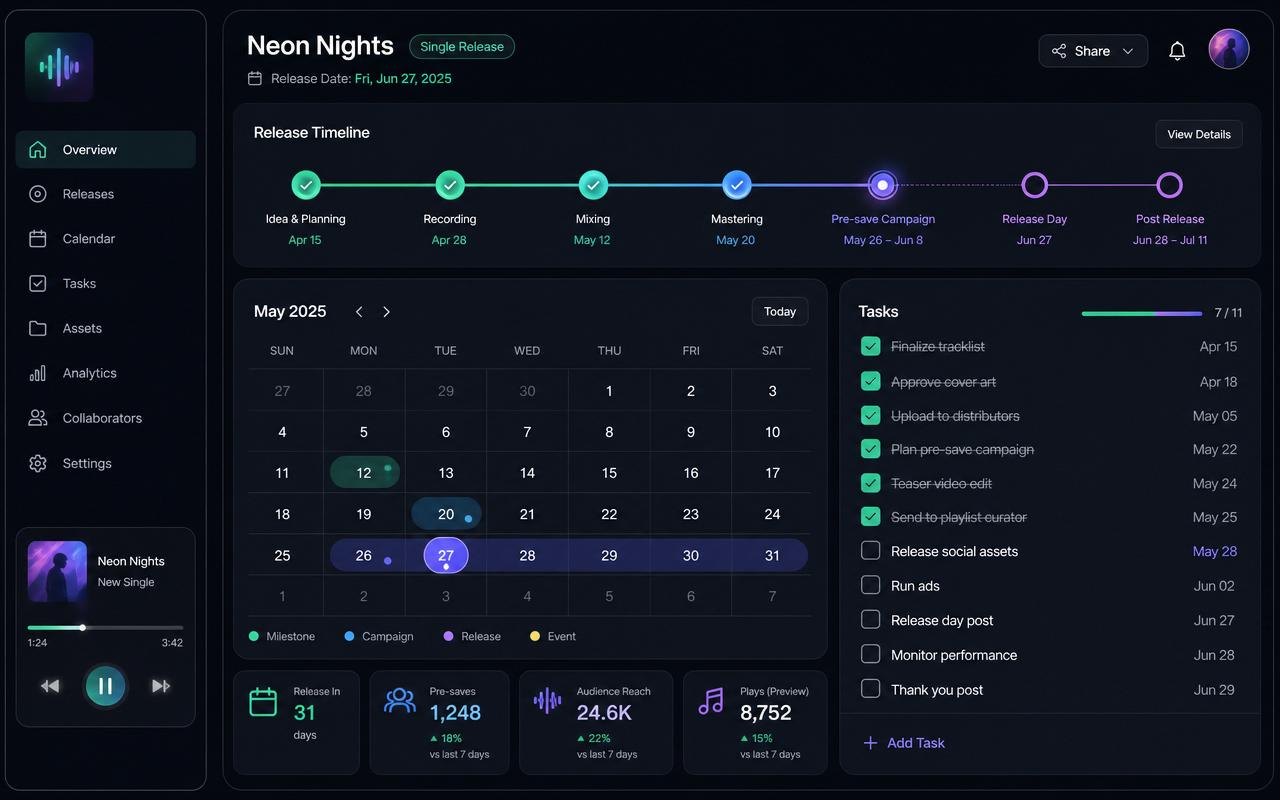
Sync-Ready Organization
Use the release planner to ensure all metadata and assets are ready before you pitch.
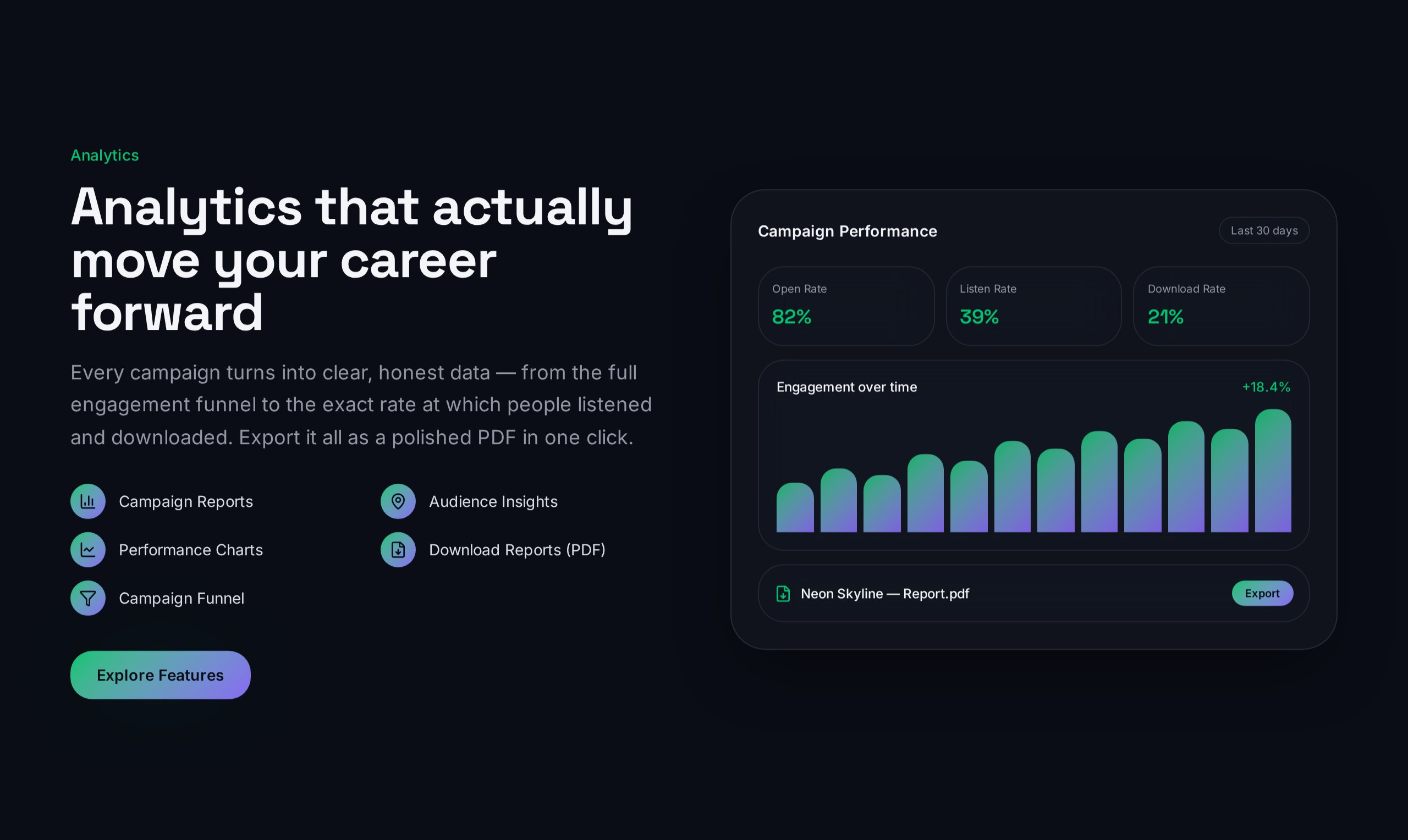
Real-Time Pitch Tracking
See exactly when a music supervisor listens to your track or downloads an instrumental.
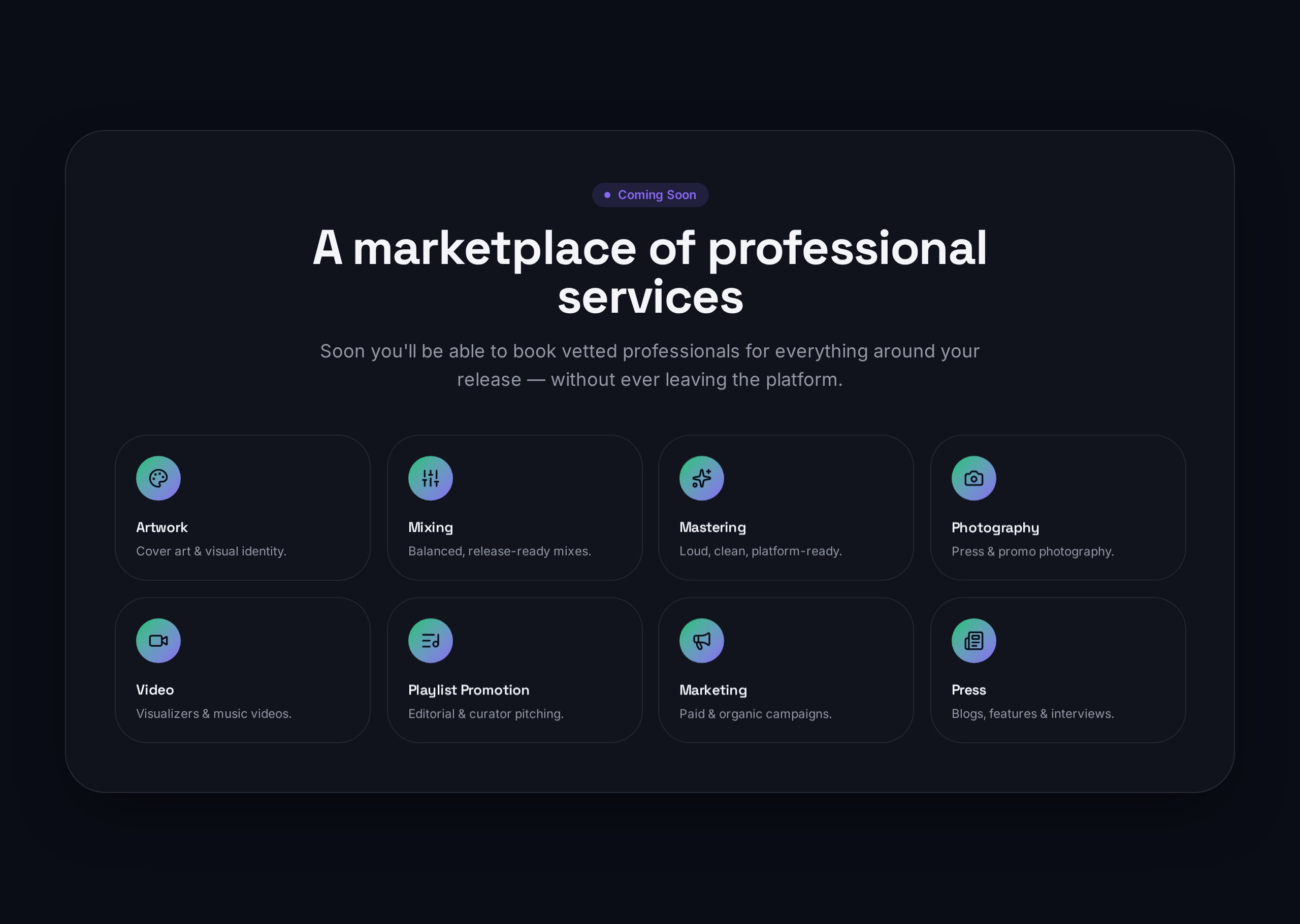
Targeted Outreach
Access a network of verified industry professionals to find the right fit for your sound.
Frequently asked questions
- What is the most important part of sync licensing distribution?
Metadata. If a supervisor can't find your contact info or publisher details within the file, they will move to the next track. The Musical Road's Release Management tool keeps this data organized.
- Should I send MP3s or WAVs for sync?
Always pitch with high-quality audio. While initial listens might happen via streaming links, having your WAVs ready for immediate download via a secure link is critical for closing deals.
- How do I know if a music supervisor liked my track?
By using Campaign Analytics, you can see if they opened your email, clicked the link, and how many times they listened to or downloaded the file.
Explore more
Related articles
- The Musician's Guide to Sync Licensing
- Introduction to Sync Licensing: Get Your Music in Film & TV
- The Independent Artist's Guide to Sync Licensing
- Bandcamp for Independent Labels: Maximizing Sales
- Sync Licensing Guide: How to Get Your Music in TV, Film, and Ads
- How to Build a Discord Server for Your Fanbase
Related templates
Related pages
- Independent Music Distribution Strategy & Management
- Music Metadata & Credits Checklist
- Campaign Analytics
- How to Manage Music Publishing Administration and Mechanical Royalties
- Choosing Between Flat-Fee and Commission-Based Digital Music Distributors
- Strategic Content Fingerprinting and YouTube Content ID Management
Ready to land your first sync placement?
Organize your catalog and start pitching with professional analytics today.
Start free